If you picture Fort Lauderdale living and immediately think about boats, canals, and quick days on the water, you are not alone. In this market, boating is more than a weekend hobby. It often shapes where you look, what features matter most, and how you weigh value in a home. If you are considering a move here, understanding that connection can help you make a smarter choice from the start. Let’s dive in.
Why boating matters in Fort Lauderdale homes
Fort Lauderdale’s boating identity is built into the city itself. The city notes that Fort Lauderdale has 165 miles of inland waterways and more than 3,000 hours of sunshine each year. Visit Lauderdale describes Greater Fort Lauderdale as having 300 miles of waterways and calls it the Yachting Capital of the World.
That lifestyle is not just marketing language. The Fort Lauderdale International Boat Show draws more than 1,300 boats, 1,000 exhibitors, and over 100,000 visitors, which shows how central boating is to the local economy and day-to-day life. For many buyers, that means home shopping starts with one key question: how easily can this property support the boating lifestyle you want?
Private dock or public access?
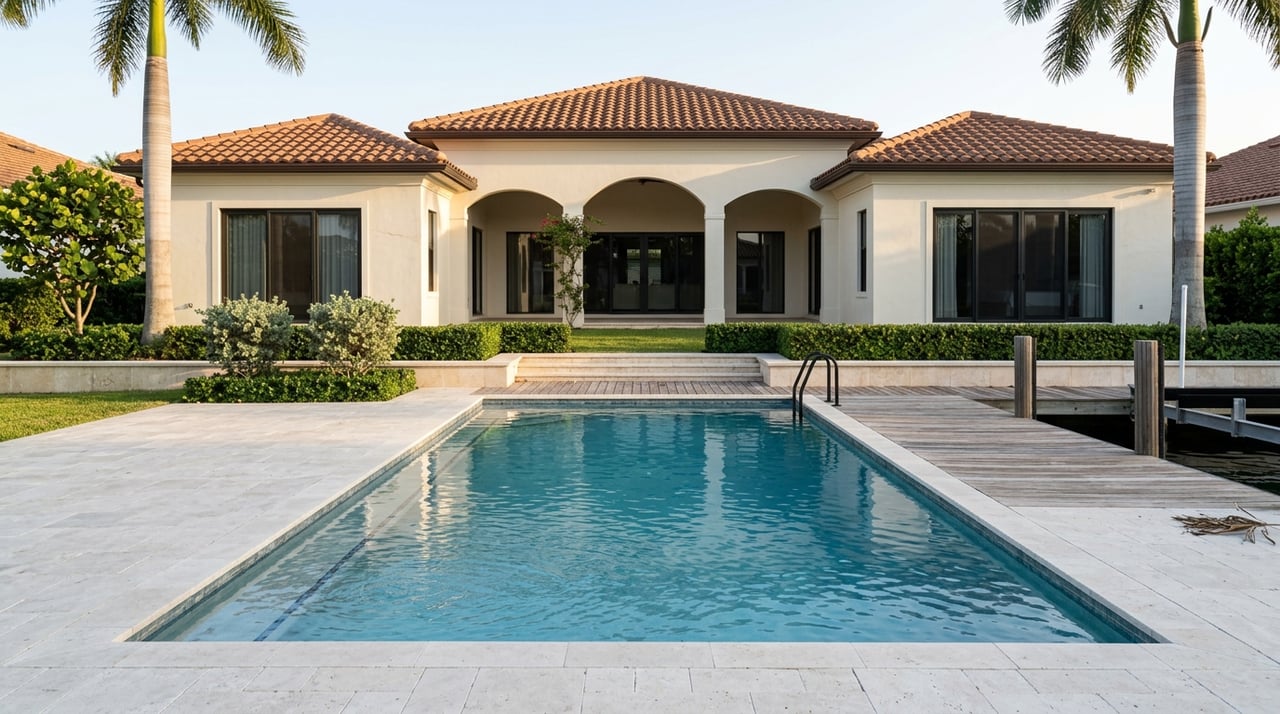
One of the biggest decisions is whether you need a home with private dockage. Some buyers want direct water access from their backyard, especially if they expect to use their boat often or want the convenience of keeping it at home. In Fort Lauderdale, that can make features like a dock, boatlift, seawall, and waterfront layout especially important.
At the same time, not every boat-oriented buyer needs a private dock. Fort Lauderdale’s Marine Facilities program includes municipal docking and boat-launching sites along places like the New River, Riverwalk Linear Park, and the Intracoastal Waterway. These are available on a first-come, first-served basis, so some buyers may prefer living near public marine facilities instead of taking on the cost and upkeep of private waterfront improvements.
That flexibility matters. A home can support your boating routine through direct dock access or through proximity to launches, marinas, and public docking. In some cases, being close to the right facility may matter just as much as being directly on the water.
What boat-minded buyers look for
Dock and seawall potential
In Fort Lauderdale, waterfront features are not casual add-ons. The city treats boatlift, dock, seawall, and pile work as a specific structural permit category, which tells you these features are a serious part of ownership and resale value. If you are buying with boating in mind, it makes sense to look closely at whether the lot can support the setup you want.
That includes more than just whether there is water behind the house. You may also want to know the condition of the existing dock or seawall, whether improvements may be needed, and how those factors could affect your budget over time. A beautiful waterfront view is one thing, but a functional boating property requires a little more scrutiny.
Waterway condition and usability
The canal itself matters too. Lauderdale Isles Water Management District focuses on water quality, safe navigation, canal depths, obstructions, debris, derelict boats, and dilapidated docks. For you as a buyer, that means evaluating not only the home but also the condition and usability of the waterway tied to it.
This is especially important if you plan to use a boat regularly. Canal depth, navigation conditions, and the general upkeep of the surrounding water can all shape how practical a property really is. In other words, a waterfront address does not automatically mean the same boating experience everywhere.
Practical space off the water
Even buyers without a private slip often think about storage and access. A boating lifestyle can still make garage space, side-yard access, and flexible outdoor areas more valuable. You may want room for gear, easier loading and unloading, or outdoor space that supports a water-focused routine.
The city’s facilities support this idea. Lauderdale Isles Landing includes a boat-access ramp and waterfront amenities, which shows that public infrastructure can play a real role in everyday boating. A well-located home near the right launch may fit your needs better than a waterfront home that comes with more maintenance than you want.
How neighborhoods shape boating choices
Fort Lauderdale’s neighborhood map reflects its water-based lifestyle. Some of the area’s best-known neighborhood names immediately signal a connection to canals, waterfront streets, and marine access. That does not mean every home in those areas has the same boating setup, but it does show how strongly water access is woven into the local housing market.
The city’s recognized neighborhood list includes names like Harbor Beach, Lauderdale Harbours, Las Olas Isles, Nurmi Isles, Riviera Isles, and Sunrise Key. These neighborhoods often come up in local conversations about boating because their geography and location align with the lifestyle many buyers are seeking.
Rio Vista is another useful example. According to the city’s survey, it is bounded by US-1 on the west, the Intracoastal Waterway on the east, the New River on the north, and SE 12th Street on the south. For buyers, geography like that helps explain why east-side neighborhoods often stand out when quick water access and proximity to downtown both matter.
Boating also extends beyond private homes. The broader ecosystem includes marinas, canals, the New River, the Intracoastal Waterway, and boating-oriented facilities such as Coral Ridge Yacht Club in the city’s directory. When you buy in Fort Lauderdale, you are often choosing a daily rhythm tied to that larger network, not just a property line.
The tradeoffs that come with waterfront living
Flood risk is part of the equation
Water access can be a major lifestyle upgrade, but it comes with responsibilities. Fort Lauderdale says the city is low, flat, surrounded by water, and especially susceptible to flooding. The city also notes that a majority of residents live in or near a Special Flood Hazard Area, and hurricane season runs from June 1 through November 30.
Broward County advises residents to review the current flood-zone map and the FEMA map effective July 31, 2024. Those maps are used by insurers and for base flood elevations on new construction and substantial improvements. For buyers, this means flood-zone status is not a minor detail. It can affect ownership costs, future improvements, and how you evaluate risk before you buy.
Seawall and dock upkeep matter
In a market like Fort Lauderdale, seawall and dock condition should be reviewed early. The city’s permit guidance specifically calls out boatlift, dock, seawall, and pile work, and city planning documents include tidal flood-protection standards for seawalls and similar structures. That tells you these features are part of long-term planning, not just cosmetic upgrades.
The city’s Chief Waterways Officer also oversees canals, rivers, the Intracoastal Waterway, vessel operations, and marine regulations. There is even a living seawall permit-fee assistance program, which reflects how actively the city manages waterfront conditions. If you love the boating lifestyle, it is wise to balance the appeal of the water with the reality of maintaining the structures that make access possible.
How to think about your home search
If boating is part of your vision for living in Fort Lauderdale, it helps to start your search with your routine instead of just your wish list. Think about how often you plan to be on the water, whether you need immediate backyard access, and how much upkeep you are comfortable taking on. That can quickly narrow the field in a useful way.
A few smart questions to ask early include:
- Do you want a private dock, or would nearby public access work just as well?
- Does the property appear set up for dock, boatlift, or seawall needs?
- What is the condition of the adjacent canal or waterway?
- How close is the home to marinas, launches, or the Intracoastal?
- Are flood-zone considerations and waterfront maintenance costs manageable for your plans?
The best fit is not always the most obvious waterfront listing. Sometimes it is the home that supports your boating routine while still matching your budget, comfort level, and long-term goals. That kind of clarity can help you avoid overbuying for features you may not use, or underestimating the true cost of a waterfront property.
Fort Lauderdale offers more than one way to live the boating lifestyle. You might choose a canal-front property with private dockage, or you might prefer a home near public marine facilities that gives you easier ownership and more flexibility. Either way, the right choice comes from understanding how boating, location, infrastructure, and upkeep all work together in this market.
If you are weighing a waterfront home, a second-home purchase, or a relocation move into Fort Lauderdale, working with a team that understands both lifestyle goals and the details behind the purchase can make the process much clearer. To talk through your options with a high-touch, strategy-first approach, connect with Morris Hall.
FAQs
What makes Fort Lauderdale a boating-focused housing market?
- Fort Lauderdale’s extensive waterways, public marine facilities, major boat show, and well-known boating identity all make water access a major factor in how many buyers choose homes.
Do you need a private dock to enjoy boating in Fort Lauderdale?
- No. Some buyers choose homes near municipal docking, public boat launches, and marine facilities instead of buying a property with private dockage.
What should buyers check on a Fort Lauderdale waterfront property?
- Buyers should review dock and seawall condition, the property’s potential for waterfront improvements, canal or waterway usability, and nearby access to marinas or launches.
Which Fort Lauderdale neighborhoods are often linked to boating?
- Neighborhoods that often come up in boating conversations include Rio Vista, Las Olas Isles, Harbor Beach, Lauderdale Harbours, Nurmi Isles, Riviera Isles, and Sunrise Key.
Why is flood risk important when buying near the water in Fort Lauderdale?
- Fort Lauderdale is especially susceptible to flooding, and flood-zone maps can affect insurance, construction standards, and long-term ownership decisions for waterfront homes.