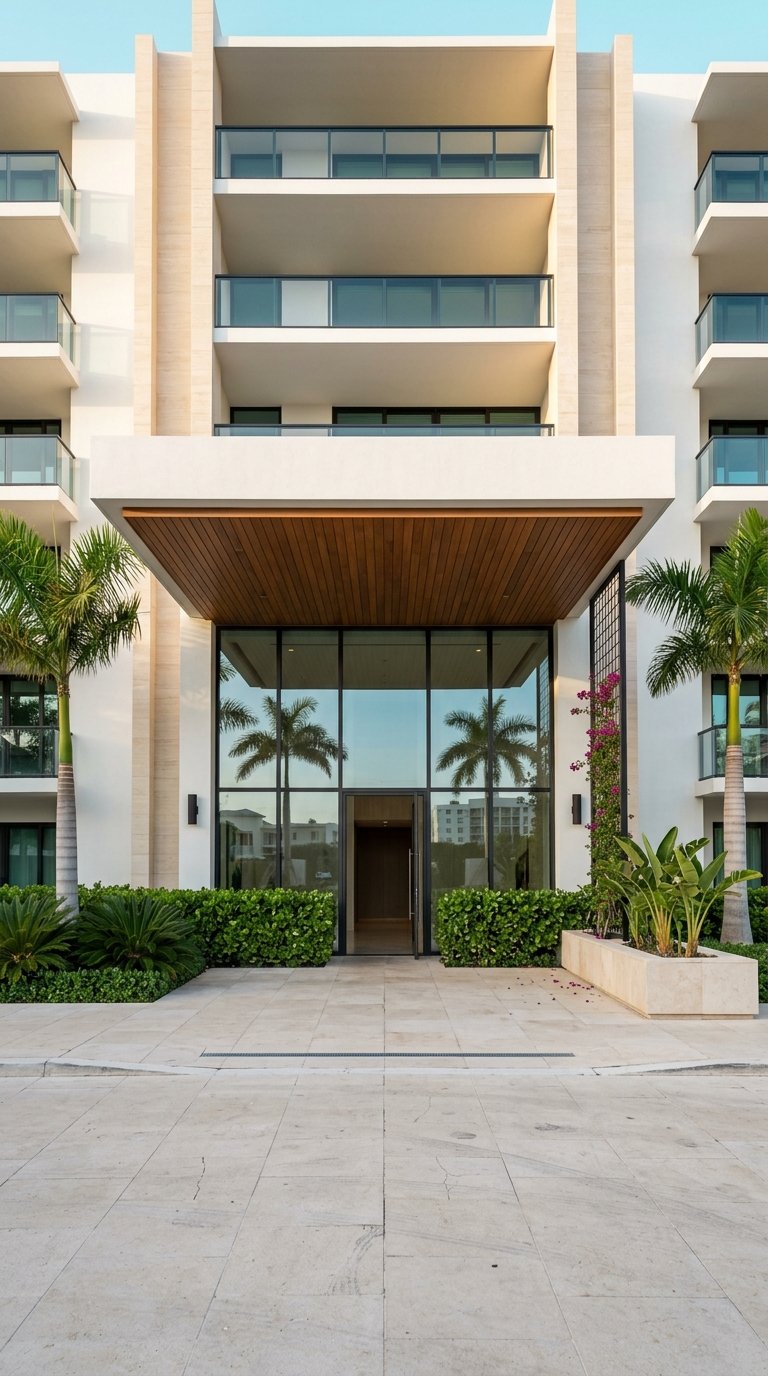
Trying to choose between a sleek tower in Brickell and a quieter boutique building near the Grove or Miami Beach? In Miami, that choice affects more than your view. It shapes your daily routine, your monthly costs, and the building documents you need to review before you buy. If you are weighing high-rise versus low-rise condo living in Miami, this guide will help you compare lifestyle, costs, and resale factors with more clarity. Let’s dive in.
Miami Condo Living Starts With Location
In Miami, high-rise versus low-rise is not only about floor count. It is also about the feel of the neighborhood around you. Some areas are known for dense urban living, while others offer a more residential setting with lower-scale buildings.
Brickell, Downtown, and the Arts + Entertainment District are part of Miami’s urban core and are known for soaring high-rises. These areas are closely tied to bay views, walkable streets, dining, shopping, parks, and access to Metromover. If you want to be in the center of the action, these locations often lead the conversation.
By contrast, places like Coconut Grove, Coral Gables, North Beach, and certain Miami Beach pockets have a different rhythm. Coconut Grove is described with quiet residential streets, parks, and a tropical feel. Coral Gables is known for tree-lined avenues, plazas, and historic architecture, while West Avenue and Palm View in Miami Beach include more mid-rise and low-rise residential buildings.
High-Rise Condo Living in Miami
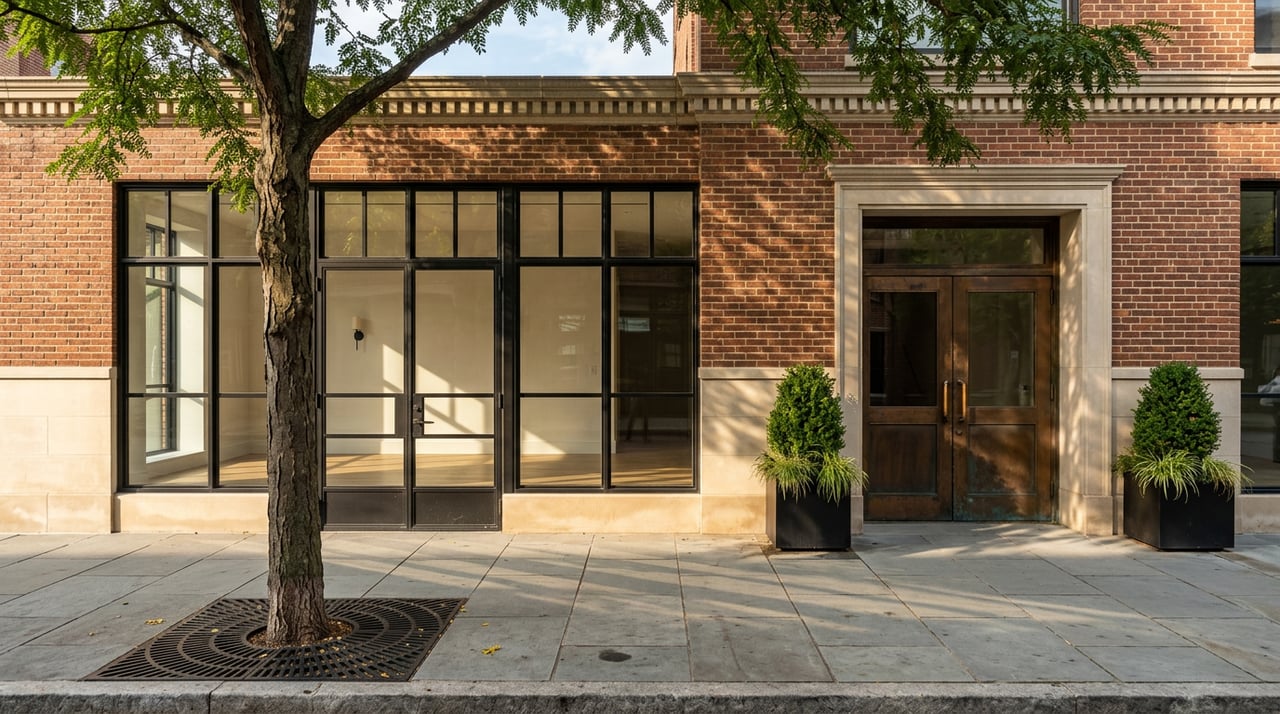
High-rise condo living often appeals to buyers who want a more urban, service-oriented lifestyle. In neighborhoods like Brickell and Downtown, many towers place you close to restaurants, shopping, nightlife, bayfront parks, and transit access. That setup can make everyday living feel efficient and connected.
Another big draw is the building experience itself. Many tower properties are associated with skyline or bay views and a more vertical lifestyle. In Miami Beach, the mix of Art Deco, MiMo, and contemporary design also adds to the visual appeal of taller coastal buildings.
For some buyers, this style of ownership fits a lock-and-leave routine. If you split time between cities, travel often, or want a second home with a more centralized location, a high-rise may check important boxes. The key is to balance that convenience with the building’s financial and structural story.
What Buyers Often Like About High-Rises
- Central urban locations
- Access to walkable districts
- Proximity to parks, dining, and shopping
- Strong view potential
- A more service-oriented condo lifestyle
Low-Rise and Boutique Condo Living in Miami
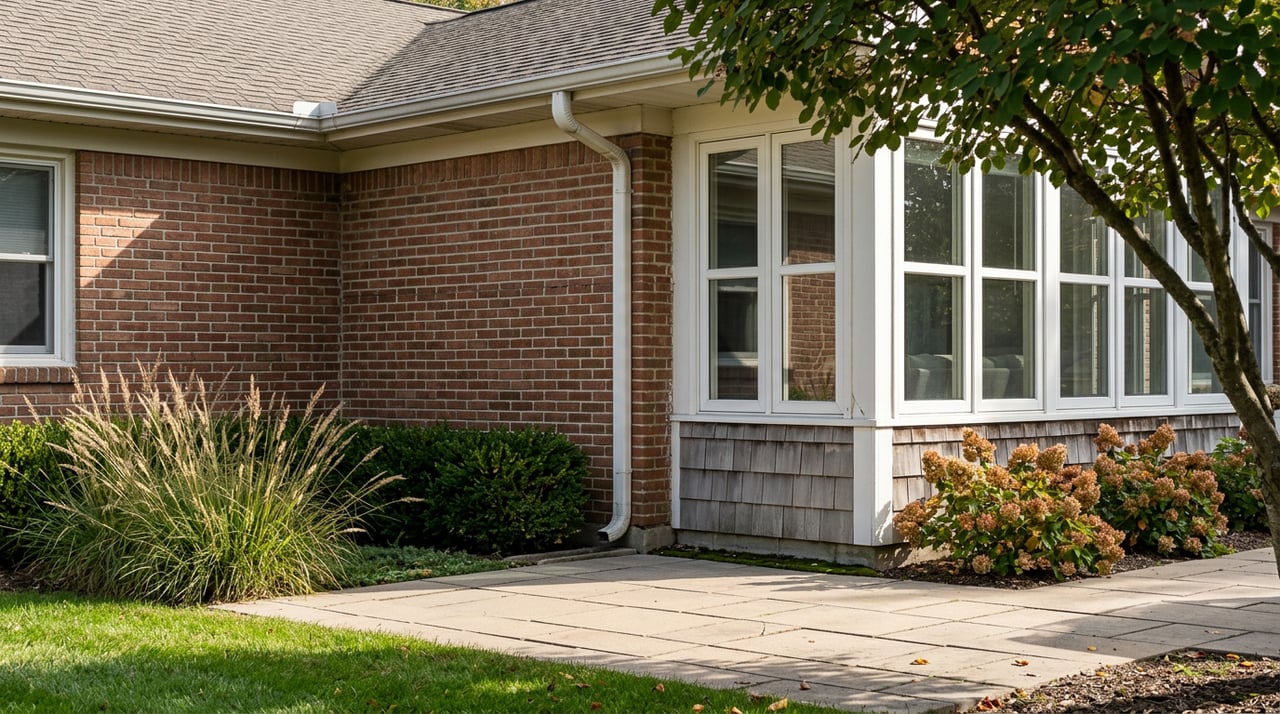
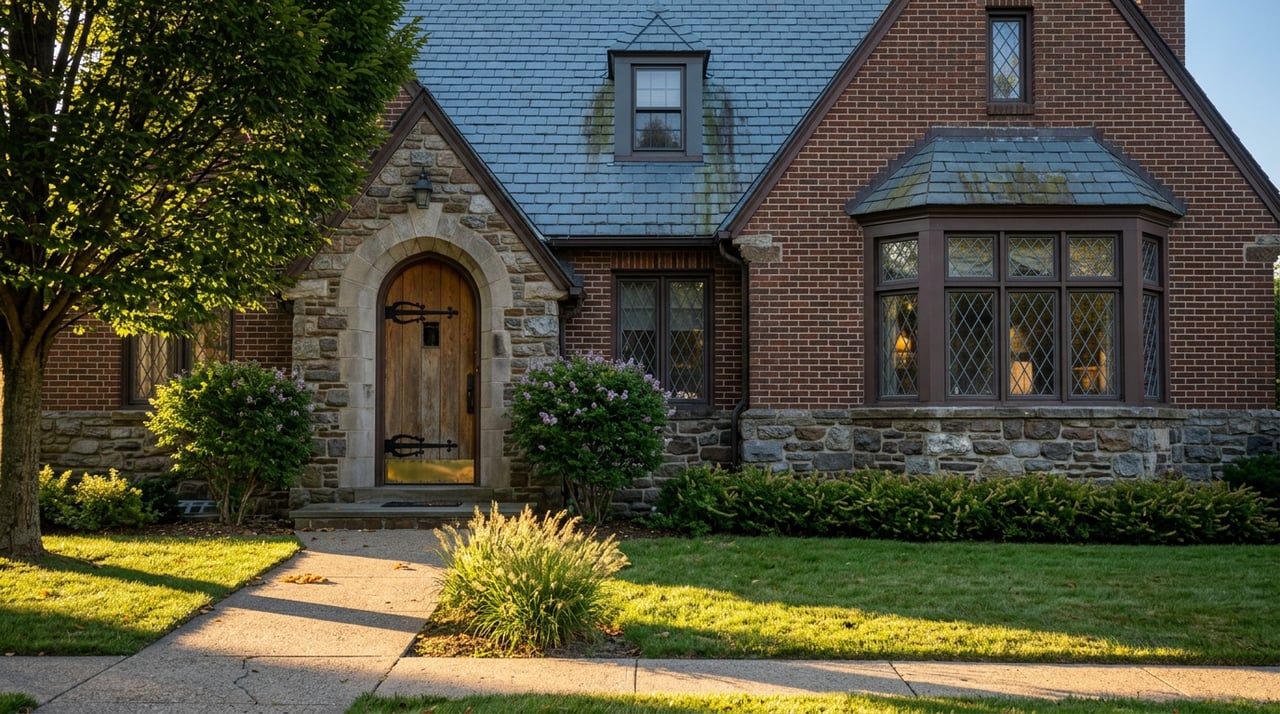
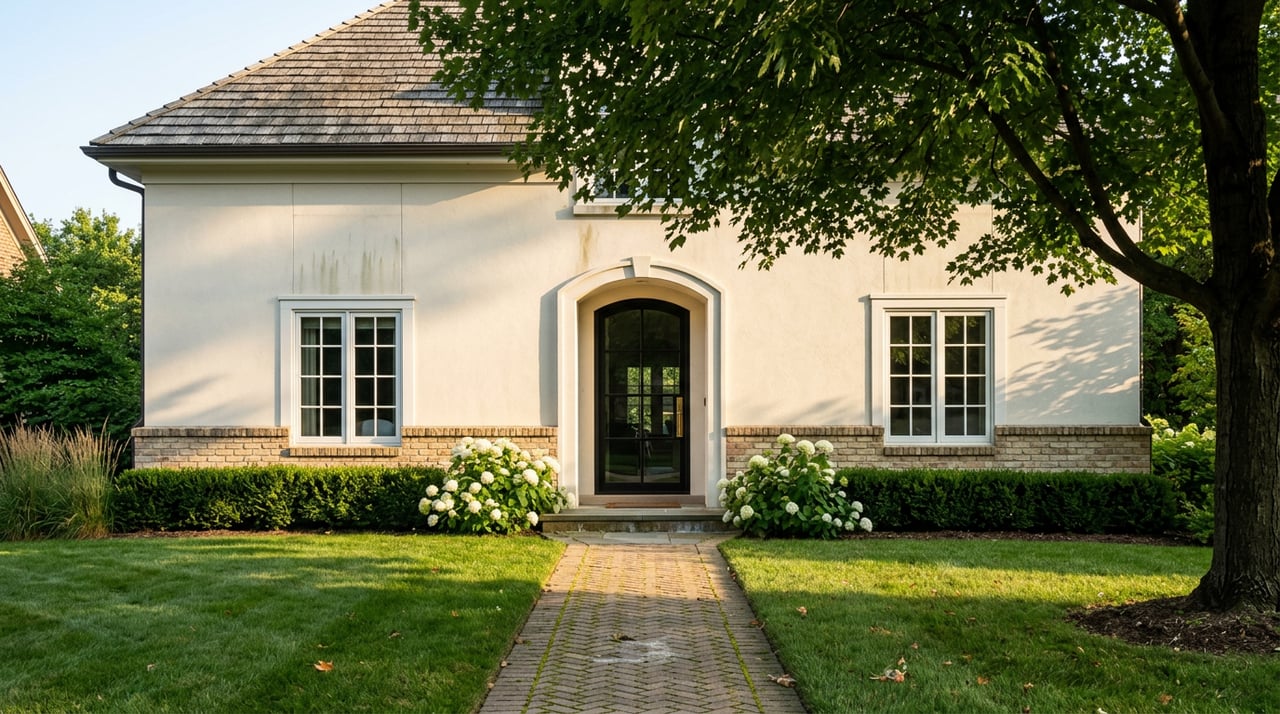
Low-rise and boutique condo living tends to feel more residential and neighborhood-driven. In places like Coconut Grove, Coral Gables, North Beach, and select Miami Beach pockets, the surroundings often play just as big a role as the building itself. You may find tree canopies, quieter streets, parks, and a lower-density environment.
For many buyers, that translates into a less vertical daily routine. You may prefer a smaller building, fewer units, and a setting that feels tucked into the neighborhood instead of rising above it. While every property is different, this style often attracts buyers who want privacy and a calmer atmosphere.
That said, low-rise does not always mean simple. A smaller building can still come with meaningful maintenance needs, reserves, and inspection requirements depending on its age and structure. It is important not to assume that boutique means low-maintenance.
What Buyers Often Like About Low-Rises
- More residential surroundings
- Lower-density living
- Quieter daily rhythm
- Strong neighborhood character
- A more intimate building feel
Monthly Fees Are About More Than Amenities
One of the biggest mistakes buyers make is comparing condo fees based only on visible perks. In Miami, monthly fees can reflect much more than a pool deck or front desk. They can also reflect reserve funding, repair planning, and compliance with state and county requirements.
Florida’s milestone inspection law applies to condominium and cooperative buildings that are three habitable stories or more. The first inspection is due by age 30, or by age 25 where local circumstances such as proximity to salt water justify it, and then every 10 years. Miami-Dade also has its own recertification program that starts at 30 years inland and 25 years coastal, then repeats every 10 years.
That matters because a Miami condo may need to satisfy both the state milestone requirements and Miami-Dade’s county recertification process. One report does not replace the other. So when you compare one building to another, you need to look beyond the marketing and into the actual obligations tied to that property.
DBPR also states that every residential condo association must complete a Structural Integrity Reserve Study for buildings three habitable stories or higher. That study covers major components such as the roof, structural systems, fireproofing, plumbing, electrical, waterproofing and exterior painting, windows and exterior doors, plus other items over $25,000.
If the reserve study shows the association is short on reserves, the board may need assessments, a loan, or a line of credit to stay on schedule. That is why two condos with a similar purchase price can feel very different financially once you understand the monthly fee and the association’s planning.
Low-Rise Does Not Always Mean Lower Cost
It is easy to assume that a low-rise condo should always have lower fees than a high-rise tower. In Miami, that is not a safe assumption. Building age, maintenance history, reserve funding, and required inspections can affect costs in either type of property.
The state and county rules turn on building facts, not marketing labels. A smaller or older building may still face meaningful recertification and reserve obligations. At the same time, a tower’s higher fees may support a combination of amenities, staffing, reserves, and major systems.
The better question is not, “Which one is cheaper?” The better question is, “What is this fee paying for, and how well is the building prepared for future costs?”
What Resale Strength Looks Like in Miami
Resale value in Miami is not driven by height alone. Building health, pricing, location, and financeability all play a major role. That is important whether you are buying a full-time home, a second home, or an investment-oriented property.
Recent Miami-Dade condo data from MIAMI REALTORS shows that condos in buildings 30 years old and older spent 66 days on market, compared with 81 days for newer condos. That is an age-based signal, not a height-based one, but it shows that older product can still sell quickly when the location, layout, maintenance, and pricing align.
The same report noted that affordable condo sales in the $200,000 to $400,000 range rose 21% year over year in November 2025. At the upper end of the market, MIAMI REALTORS reported that 82% of Miami condo sales at $1 million and up were all-cash in 2025. In May 2026, Miami-Dade condo sales rose 5.4% year over year, and sales in the $1 million-and-up category rose 14.7%.
The takeaway is straightforward. A well-maintained low-rise or boutique condo can perform well on resale if the pricing and building condition make sense. A tower condo can also see strong demand when it offers location, views, amenities, and a solid financial picture.
What to Review Before You Buy
Before you choose a high-rise or low-rise condo in Miami, ask for the building records that can reveal the real ownership experience. DBPR says inspection reports and reserve studies are part of the official records and must be provided to prospective purchasers. That gives you a chance to review the facts before closing.
Here is a practical checklist to use:
- Milestone inspection report
- Structural Integrity Reserve Study
- Current association budget
- Reserve schedule
- Special assessment history
- Building age
- Certificate of occupancy date
These documents can help you understand whether a building is planning well or pushing costs into the future. They can also help you compare two very different condo options on equal footing.
How to Choose the Right Fit
If you are deciding between a tower and a boutique building, start with your daily priorities. Do you want to be in the middle of Miami’s urban core, close to transit, parks, restaurants, and shopping? Or do you picture yourself in a lower-density setting with quieter streets and a more residential feel?
Then look at the financial side with the same level of care. Review the fee structure, reserve planning, inspection history, and any upcoming obligations. A beautiful lobby or charming exterior should never replace a careful review of the association’s records.
In the end, the right choice is the one that fits both your lifestyle and your risk comfort. In Miami, great condo decisions are usually less about high-rise versus low-rise in theory and more about choosing the right building in the right neighborhood with the right financial story.
If you are comparing condo options in Miami and want a more tailored strategy, Morris Hall can help you evaluate neighborhoods, building documents, and financing considerations with a polished, high-touch approach.
FAQs
What is the main difference between high-rise and low-rise condo living in Miami?
- In Miami, the biggest differences usually involve neighborhood feel, daily lifestyle, density, views, and how the building’s costs and maintenance obligations affect ownership.
Are low-rise condos in Miami always less expensive to own?
- No. Low-rise condos are not automatically cheaper because reserve funding, building age, recertification requirements, and maintenance needs can affect monthly costs in any building type.
What documents should Miami condo buyers review before closing?
- Buyers should review the milestone inspection report, Structural Integrity Reserve Study, association budget, reserve schedule, special assessment history, building age, and certificate of occupancy date.
Which Miami neighborhoods are known for high-rise condo living?
- Brickell, Downtown, and the Arts + Entertainment District are commonly associated with Miami’s urban core and a higher concentration of high-rise condo living.
Which Miami areas are known for lower-scale condo living?
- Coconut Grove, Coral Gables, North Beach, and parts of Miami Beach such as West Avenue and Palm View are more commonly associated with lower-scale residential settings, including low-rise and mid-rise buildings.
Does resale value in Miami depend more on building height or building condition?
- Resale strength is usually shaped more by building health, location, pricing, and financeability than by height alone.