Water at your doorstep sounds like a dream. In Miami, it can be one of the best ways to live, but it also comes with unique rules, costs, and choices that many buyers overlook. If you are picturing sunrise views, dockside dinners, and a quick ride to the ocean, you also need a clear plan for permits, flood coverage, and long‑term upkeep. This guide breaks down the real meaning of Miami waterfront living so you can decide what fits your lifestyle and budget. Let’s dive in.
What counts as waterfront in Miami
Not all “waterfront” is the same. You will see very different experiences across oceanfront, bayfront, canals, rivers, and high‑rises with views.
Oceanfront and beachfront
These properties face the Atlantic along barrier‑island neighborhoods like South Beach and North Beach. Construction near the open beach is shaped by Florida’s Coastal Construction Control Line, which affects how and where you can build or alter structures near dunes and sand. Review the program and find the control line before you plan improvements using the state’s overview of the Coastal Construction Control Line.
Bayfront on Biscayne Bay
Bayfront homes and condos sit on the calmer side, with wide water views. Where allowed, homes may have private docks, while many condos rely on marina access. Expect a quieter shoreline feel than the oceanfront, with boating and paddle sports right off your backyard.
Canal‑front and inland waterways
Canal lots can be great for boating, but details matter. Depth, channel width, turning room, and any fixed bridges along your route control whether your boat can reach Biscayne Bay or the ocean. Always confirm low‑tide depth and bridge clearances before you buy.
River and Intracoastal
Residences along the Miami River or the Intracoastal can combine urban convenience with water access. You may notice more passing boat traffic and working vessels, which changes the sound and activity level compared to a quiet canal.
Ocean‑adjacent condos with views
Many high‑rises offer sweeping water views without direct beach ownership or a private dock. These buildings often rely on nearby marinas for slips and may have waitlists or size limits.
What features to expect
- Seawalls or bulkheads. Most waterfront parcels use concrete or sheet‑pile systems to hold the shoreline.
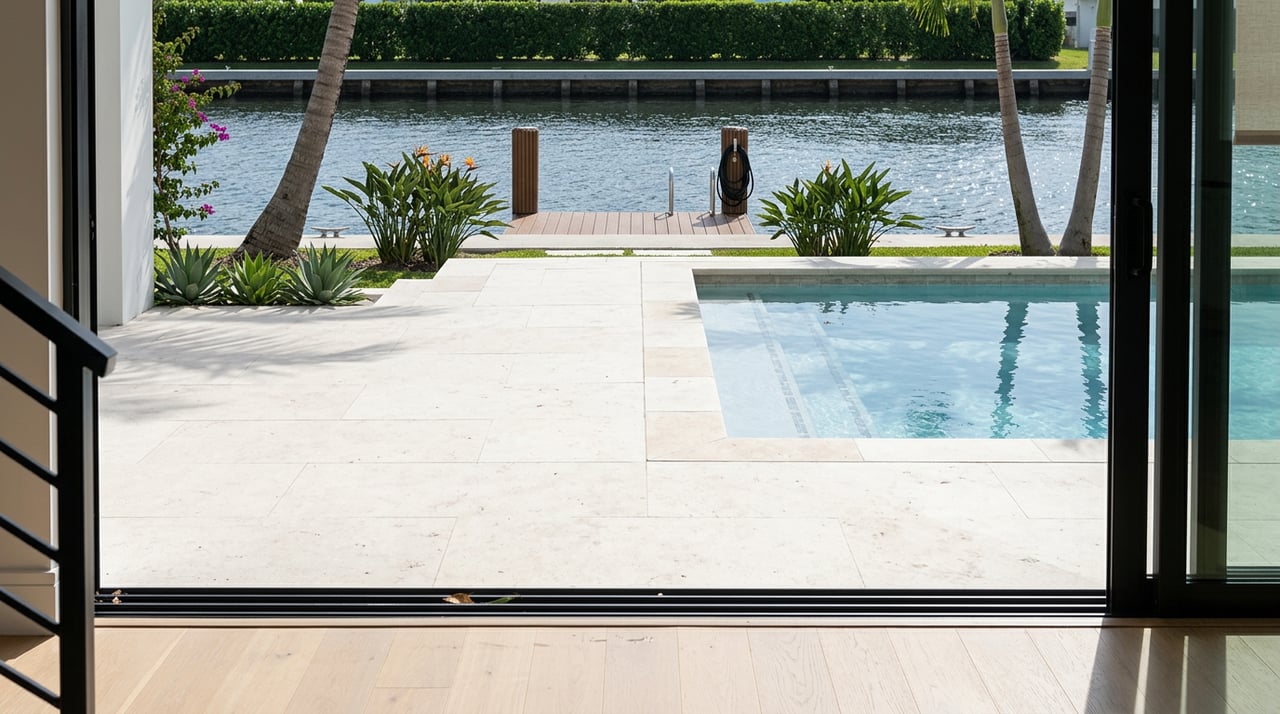
- Dock or marina access. Single‑family homes may have a private dock if permitted. Condos often use assigned or leased slips nearby.
- Hurricane‑rated systems. In Miami‑Dade’s High‑Velocity Hurricane Zone, windows, doors, and shutters typically carry county product approvals. You can search the Miami‑Dade product approval directory to understand the standards you will see.
How you use the water
Waterfront living is not just about views. Your boating plan is a big part of the lifestyle.
Marinas and moorings
Miami‑Dade County operates marinas and public launch facilities across the region. You can explore county options, public ramps, and day‑use access points through Miami‑Dade Parks marinas and ramps. In Coconut Grove, the well‑known Dinner Key facility offers hundreds of wet slips and moorings; policies vary by operator, so always confirm length limits, insurance needs, and waitlists with each marina. See a practical overview on Dinner Key Marina.
Rules on the water
Parts of Biscayne Bay fall under aquatic preserve protections that limit dredging, anchoring, and work in submerged lands. If you plan to expand or modify a dock, review the Biscayne Bay Aquatic Preserve rules and check local zoning. Marinas also set vessel insurance and hurricane‑plan requirements for slip holders.
Risks, insurance, and long‑run planning
Waterfront life is shaped by flood maps, insurance, and future‑risk planning. A little homework up front can save stress later.
Flood zones and insurance
Many waterfront parcels lie in FEMA Special Flood Hazard Areas, which can trigger lender flood‑insurance requirements. Start by checking the county’s interactive flood zone maps for the specific address and get an Elevation Certificate if available. In some cases, FEMA’s LOMA and LOMR process can adjust a property’s map status. Your lender may still require coverage, so request quotes early from both NFIP and private carriers.
Sea‑level rise and nuisance flooding
South Florida is investing in adaptation to reduce tidal flooding impacts. The City of Miami Beach outlines pumps, raised roads, and infrastructure upgrades in its sea‑level rise adaptation strategy. You can explore multiple future scenarios, not just a single prediction, using interactive visualizations like Surging Seas by Climate Central. These tools help you weigh short‑term and mid‑century considerations while you shop.
Permits, seawalls, and building rules
Owning on the water changes how you plan projects and protect your home.
Shoreline and dock work
Most work in or over tidal waters, and mangrove trimming, requires a county Class I coastal permit. The county explains permit types and the process on the Class I coastal permit page. Oceanfront projects may also be subject to Florida’s Coastal Construction Control Line. Expect permit timelines and possible environmental conditions before approvals.
Seawall and dock maintenance
Seawalls, tie‑backs, and docks are often the owner’s responsibility. Their condition affects insurance, usability, and value. Some public projects may replace or raise public seawalls in targeted areas, but private owners and associations typically fund their own repairs and replacements.
Building codes and hurricane protections
Miami‑Dade’s High‑Velocity Hurricane Zone sets higher product and installation standards for windows, doors, and shutters. Many coastal properties feature impact glazing and documented approvals. You can learn how products are reviewed through the county’s product approval directory.
Everyday trade‑offs in Miami
- Views and access vs upkeep. Salt, wind, and humidity require more frequent maintenance on metal, paint, HVAC, and outdoor fixtures. Seawall and dock care is part of the lifestyle.
- Privacy and noise. Oceanfront can feel busier due to tourism and nightlife. Bayfront and canals can be quieter, but passing boats and marina activity vary by neighborhood.
- Commute patterns. Living on an island often means causeway drives to the mainland. Plan your route and timing around bridges and events if you work or attend school off‑island.
- Seasonal lighting and wildlife. Turtle‑nesting season shapes how many oceanfront buildings manage outdoor lighting and dune areas to protect hatchlings.
- Public shoreline context. Florida recognizes public rights to wet sand at the mean high‑water line, and cities manage public access points. Know your exact boundary and what is shared.
Buyer checklist for Miami waterfront
Use this quick list to focus your due diligence while you compare properties and condos.
Title and dock ownership. Confirm whether the dock and seawall are included in your deed, or managed by the association. Get maintenance obligations in writing.
Seawall and dock history. Request permits, engineering reports, and repair records. Look for signs of movement, rust, spalling, or tie‑back issues.
Flood zone and elevation. Pull the county flood map for the address and request any Elevation Certificate. If the property sits just inside a mapped flood zone, discuss whether a LOMA or LOMR is feasible with your surveyor and lender.
HOA and slip rules. For condos and townhomes, review rules on boat size, slip assignments, live‑aboard policies, reserves, and potential assessments. Florida Condominium law (Chapter 718) outlines governance and disclosure requirements.
Environmental constraints. Check for the Coastal Construction Control Line on oceanfront lots through the state’s CCCL program and confirm if any aquatic preserve or mangrove protections apply. Many shoreline changes require a county Class I coastal permit.
Insurance planning. Request flood and wind quotes early, compare deductibles, and confirm condo master policy details where relevant. Your mitigation features and elevation can affect premiums.
Boating logistics. If you need a slip, research county marinas and ramps and check a local facility like Dinner Key Marina for length limits, hurricane plans, utilities, and waitlists.
Is Miami waterfront right for you?
If you love the water, Miami offers a rare mix of open‑ocean energy, protected bay serenity, and year‑round boating. The key is to set clear expectations. Understand your flood zone, confirm what you own at the shoreline, plan for higher maintenance, and learn the local permit path before you remodel or expand. With the right prep, you can enjoy the views and the access with far fewer surprises.
If you are weighing canal versus bayfront or comparing condo slip options, you do not have to navigate it alone. Connect with Morris Hall to talk through your goals. Our team pairs experienced buyer representation with integrated mortgage planning to help you choose the right Miami waterfront and close with confidence.
FAQs
Do Miami waterfront homes always require flood insurance?
- If your property is in a FEMA Special Flood Hazard Area and you use a federally backed loan, lenders generally require flood insurance. Confirm your status using the county’s flood zone maps and discuss LOMA or LOMR options with your surveyor and lender.
How do I know if I can expand a dock on Biscayne Bay?
- Expansion can be limited by aquatic preserve protections, seagrass impacts, and local zoning. Review the Biscayne Bay Aquatic Preserve rules and start the county Class I coastal permit conversation early.
What makes oceanfront construction different from bayfront in Miami?
- Oceanfront work near the dunes follows the state’s Coastal Construction Control Line, while bayfront projects focus more on over‑water permitting and aquatic habitat impacts. Both can require county, state, and federal reviews.
Where can I keep a boat if my condo has no deeded slip?
- Many owners use public or private facilities. Start with Miami‑Dade Parks marinas and ramps and check a large facility like Dinner Key Marina for availability, length limits, and policies.
How do Miami’s hurricane standards affect waterfront homes?
- Miami‑Dade’s High‑Velocity Hurricane Zone requires stronger products and installation for windows, doors, and shutters. You will often see impact glazing and documented approvals. Learn more in the county’s product approval directory.