Wondering if Farmington Hills checks the right boxes for your next move? If you want suburban space, strong everyday convenience, and housing options that feel established instead of cookie-cutter, this city deserves a serious look. Below, you’ll get a practical breakdown of what living in Farmington Hills is really like, who it tends to fit best, and the tradeoffs you should weigh before you buy. Let’s dive in.
What Farmington Hills Feels Like
Farmington Hills offers an established suburban setting with a large and varied housing base. According to the U.S. Census QuickFacts, the city had an estimated 84,173 residents in July 2024, with 35,529 households and a 64.7% owner-occupancy rate.
The city also has the profile many buyers look for in a long-term home market. Census data shows a median household income of $104,836, 57.6% of residents age 25 and older hold a bachelor’s degree or higher, and 19.6% of residents are foreign-born, which points to a community with a broad mix of backgrounds and life stages.
If you are looking for a suburb that feels mature and built-out rather than rapidly expanding, that is part of the appeal here. Farmington Hills is not a blank-slate new-build market. It is a place where neighborhoods, parks, shopping corridors, and daily services are already in place.
Housing Options in Farmington Hills
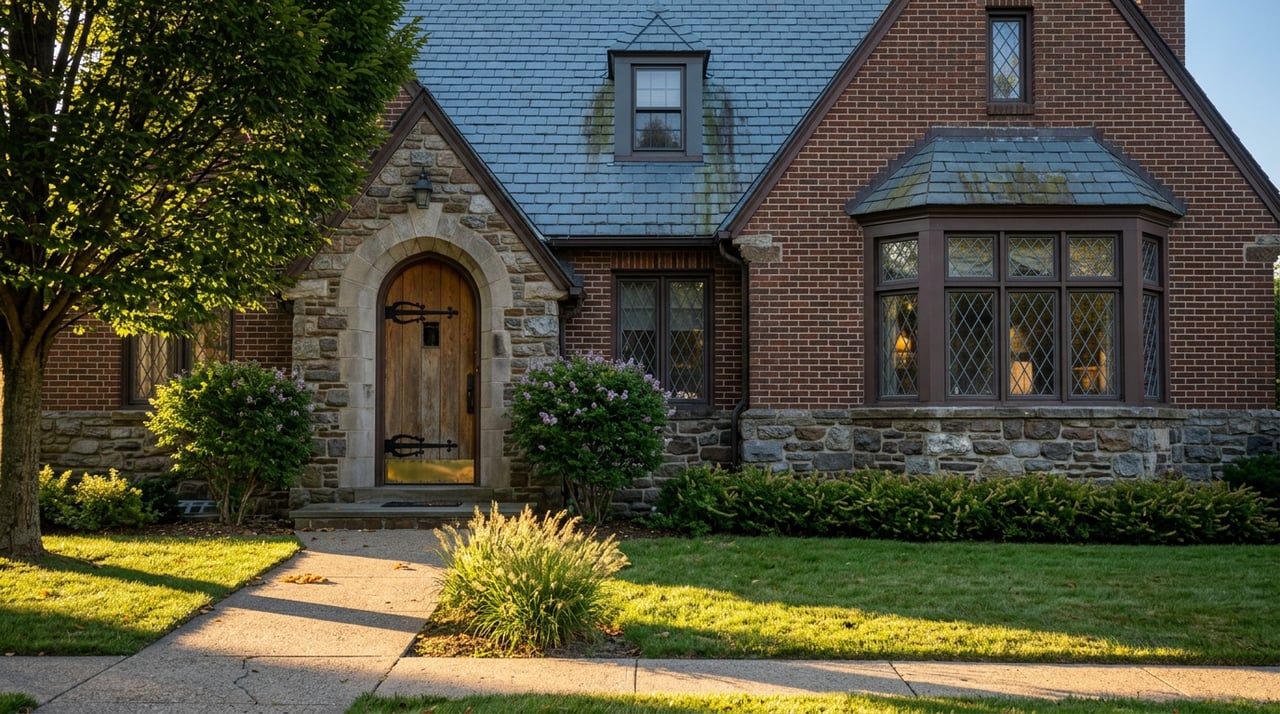
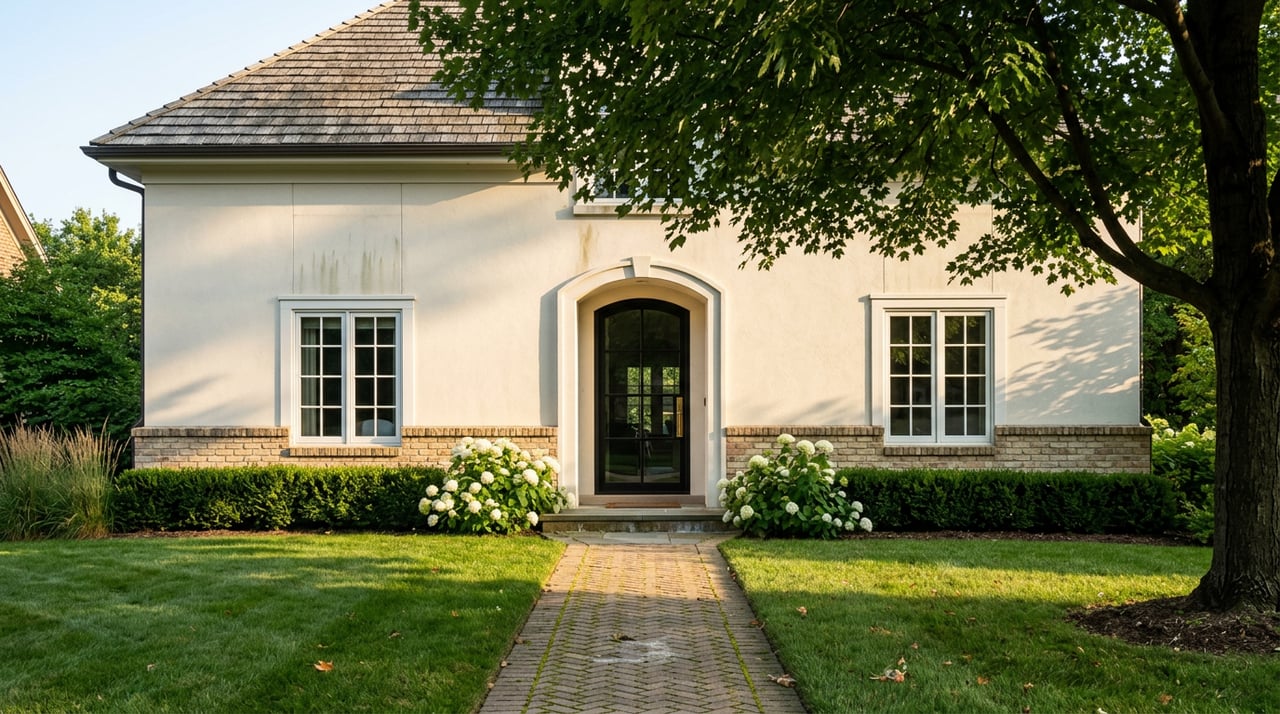
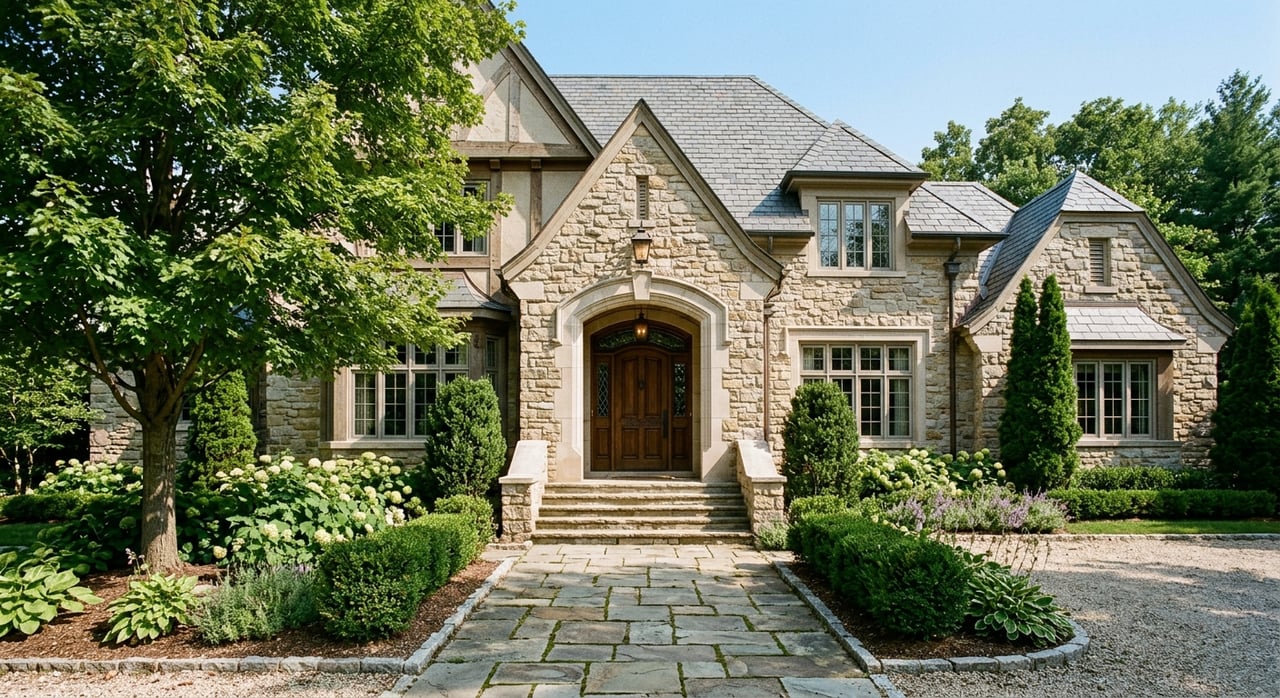
One of the biggest strengths of Farmington Hills is variety. The city’s adopted master plan describes the housing stock as diverse, with single-family detached homes making up 57% of units, and many homes located on larger lots.
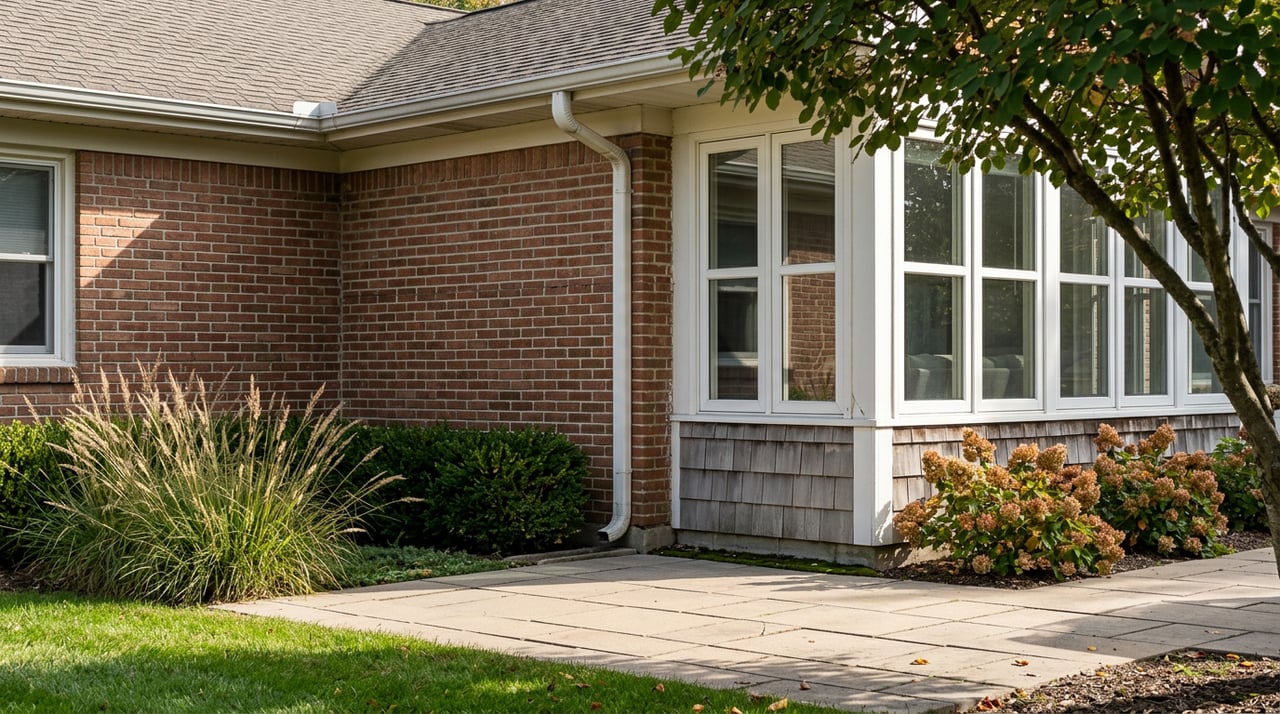
That matters if you want options beyond one typical home style. In practical terms, buyers can expect a mix that includes detached homes, condos, and some attached housing, with newer infill development concentrated in selected areas rather than spread across the whole city.
The city is also planning for more housing variety over time. The 2024 master plan page notes support for attached and flex-residential options in key areas, along with projects that include ranch homes and townhouses.
For you, that can mean a few different paths depending on your stage of life:
- A traditional single-family home with more yard space
- A condo or attached option with lower exterior maintenance
- A ranch or townhouse in select newer or redeveloping corridors
What Home Prices Look Like
Farmington Hills generally sits in the mid-$300,000 range, though price will vary by home type, lot, updates, and location within the city. The Census QuickFacts page lists a median owner-occupied home value of $354,500.
Recent market reporting shows a similar range. Redfin’s housing market snapshot reported a median sale price of $366,500 in February 2026, with homes spending about 40 days on market.
That data suggests a market that is active but not unusually fast by suburban standards. If you are comparing Farmington Hills with nearby upscale suburbs, it may offer a broad range of entry points while still providing established neighborhood character and strong everyday amenities.
Parks and Recreation Stand Out
If outdoor space and year-round activities matter to you, Farmington Hills has a lot to offer. One of the city’s best-known amenities is Heritage Park, a 211-acre park with 4.5 miles of trails, a splash pad, playground, picnic shelter, volleyball, inline hockey rink, horseshoe pits, archery range, amphitheater, and nature center.
The park also supports four-season use. The city notes that the trails are used for cross-country skiing in winter, which adds to the appeal if you want recreation close to home throughout the year.
Another major amenity is The Hawk, a 245,000-square-foot community center on 42 acres. The facility includes aquatics, fitness, theater, arts, pickleball, tennis, and track-and-field space.
Beyond those two anchors, the city’s broader park system includes a dog park, golf club and driving range, ice arena, skate park, nature center, and several neighborhood parks. For many buyers, that level of recreation access is a meaningful part of the lifestyle value.
Everyday Convenience and Services
Farmington Hills is built for practical daily living. According to the city’s demographics and business overview, business activity is concentrated along major corridors including Orchard Lake, Northwestern Highway, Grand River, 8 Mile, and 14 Mile.
For you, that usually means errands, dining, medical services, and shopping are accessible without needing to leave the city often. These commercial corridors help support the suburb’s convenience factor, especially for households balancing work, family schedules, and regular appointments.
The city also offers support services for older adults and residents with disabilities. Through its 50 & Better support services, Farmington Hills provides minor home-repair help, meal programs, and curb-to-curb transportation for adults 55 and older and residents with disabilities, including trips to medical appointments and selected shopping destinations.
That kind of built-in support can be especially important if you are planning for long-term flexibility in where you live.
Commuting in Farmington Hills
Farmington Hills is best understood as a car-oriented suburb with solid regional access. The city maintains more than 58 miles of major streets and 243 miles of local streets, which is the largest municipal street network in Oakland County.
That road network supports day-to-day driving, but walkability is limited. Redfin rates the city as car-dependent with a Walk Score of 25, and Census data estimates a mean commute time of 24.7 minutes.
Transit options are modest, though they do exist. SMART Dial-A-Ride service operates within Farmington and Farmington Hills, and The Hawk is served by SMART Route 740.
The city’s 2024 master plan also calls for expanded non-motorized facilities and stronger support for local and regional transit. Still, if you move here today, you should expect most daily travel to happen by car.
Who Farmington Hills Fits Best
No suburb is perfect for everyone. Farmington Hills tends to work best for buyers who value space, convenience, and established amenities more than a highly walkable urban feel.
Based on the city’s housing mix, business corridors, recreation assets, and support services, Farmington Hills may be a strong fit if you are:
- A professional who wants suburban convenience with access to office, medical, or tech employment areas
- A household looking for parks, recreation, and year-round programming
- A downsizer who wants lower-maintenance options and support services nearby
- A buyer who prefers established neighborhoods over large-scale new construction communities
This is also a place where different life stages can make sense. You may start by prioritizing convenience and commuting, then later appreciate the parks system, community center, or housing options that support simpler day-to-day living.
Tradeoffs to Consider Before You Move
The right suburb is not just about strengths. It is also about knowing what may not match your preferences.
In Farmington Hills, the main tradeoffs are fairly clear:
- Walkability is limited in much of the city
- Most errands and commuting still require a car
- Some corridors are seeing active road, utility, and redevelopment work
- Newer low-maintenance housing exists, but not everywhere
For many buyers, these are manageable tradeoffs rather than deal-breakers. But they are worth evaluating honestly based on how you live now and how you want to live after your move.
So, Is Farmington Hills Right for You?
Farmington Hills can be a smart choice if you want an established suburb with a broad housing mix, strong recreation amenities, practical shopping and service corridors, and home values that generally sit in the mid-$300,000 range. It is especially appealing if you are looking for space, convenience, and a community built for everyday living rather than an ultra-walkable town center lifestyle.
The best way to know if it fits is to match the city’s real-world strengths and tradeoffs to your own priorities. If you are weighing Farmington Hills against other Southeast Michigan suburbs, a local strategy can help you compare not just prices, but also housing stock, commute patterns, and the feel of different pockets of the city.
If you want tailored guidance on buying or selling in Farmington Hills, Morris Hall can help you evaluate your options with local market insight, high-touch service, and a smooth process from search to closing.
FAQs
Is Farmington Hills a good place to buy a house?
- Farmington Hills can be a good fit if you want an established suburb with diverse housing, strong parks and recreation amenities, and convenient commercial corridors for daily errands and services.
What is the housing market like in Farmington Hills?
- Recent data places Farmington Hills home values in the mid-$300,000s, with Redfin reporting a $366,500 median sale price in February 2026 and about 40 days on market.
Is Farmington Hills walkable for daily errands?
- Farmington Hills is generally car-dependent, with a Walk Score of 25, so most daily errands and commuting are easier by car than on foot.
What kinds of homes can you find in Farmington Hills?
- Buyers can find a mix of single-family homes, condos, and some attached housing options, with detached homes making up the largest share of the city’s housing stock.
Are there parks and community amenities in Farmington Hills?
- Yes. Farmington Hills offers major amenities like Heritage Park and The Hawk, along with neighborhood parks, a dog park, golf facilities, an ice arena, and other recreation options.
Is Farmington Hills a good choice for downsizers?
- It can be, especially for buyers interested in ranch homes, townhouses, attached housing in selected areas, and city services that support aging in place.