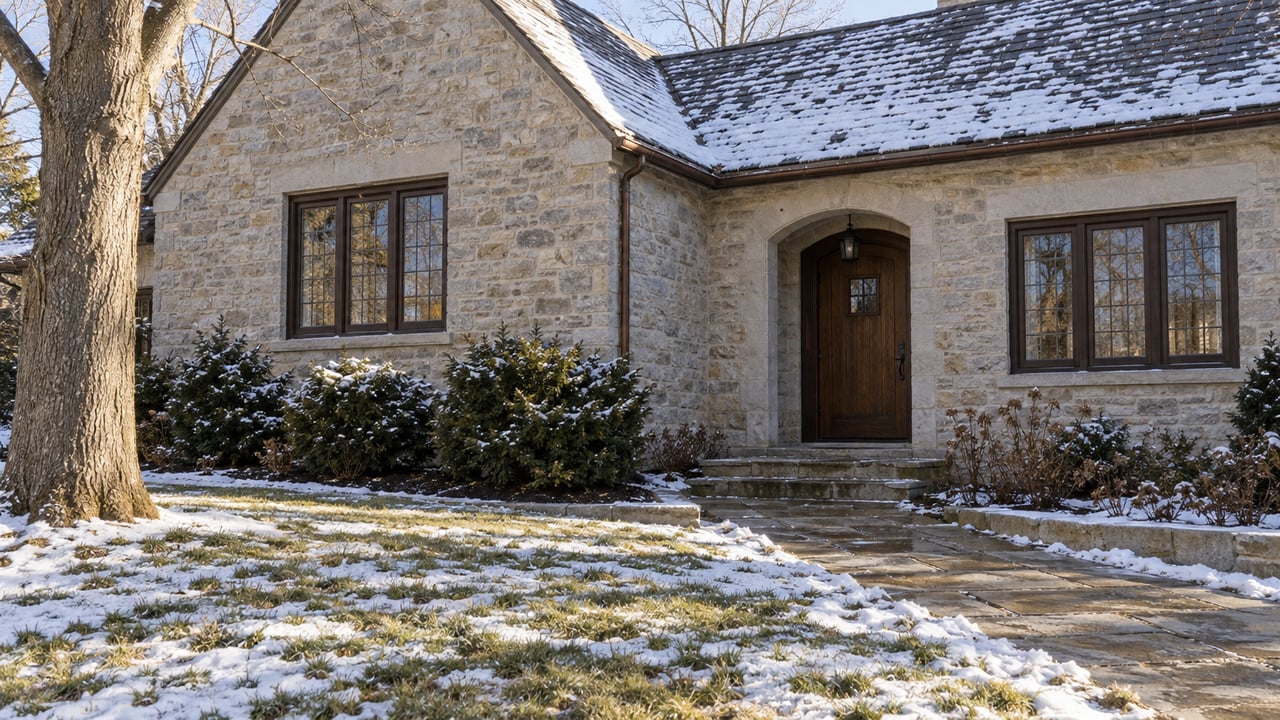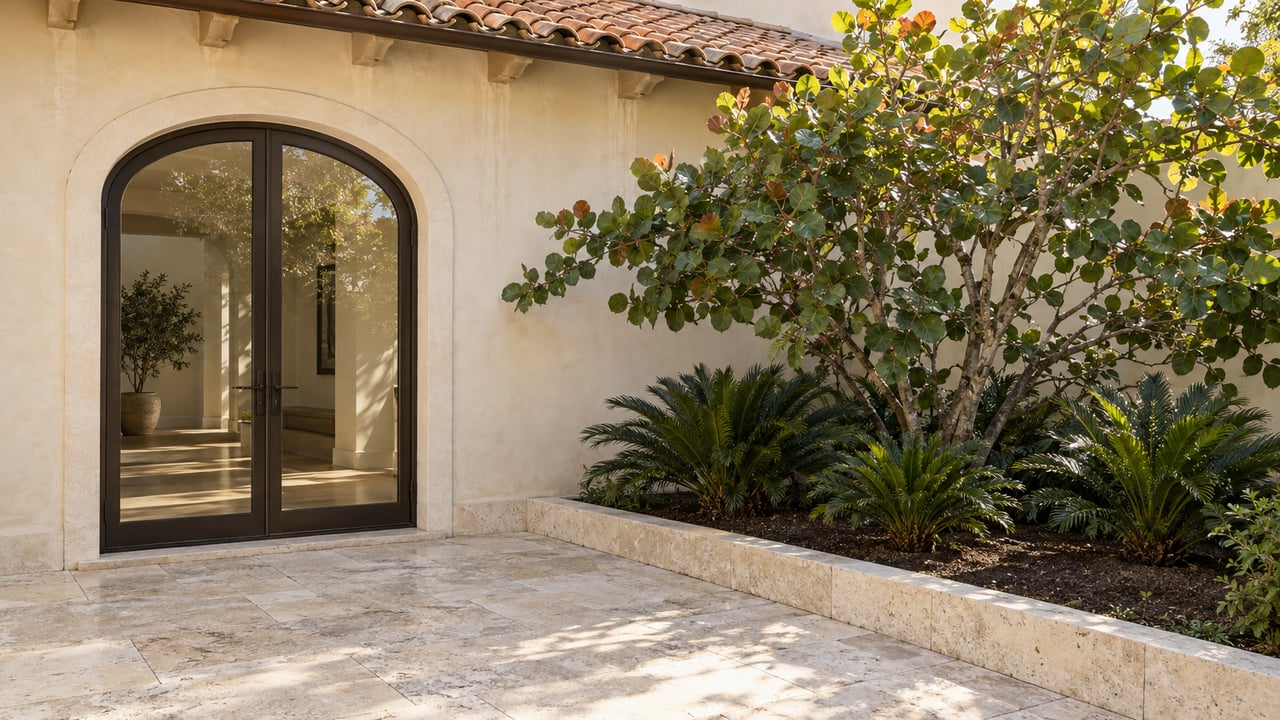
Buying in Fort Lauderdale is not just about price or square footage. The type of home you choose can change your monthly costs, your maintenance responsibilities, your document review, and even how much control you have over the property. If you are deciding between a condo, a townhome, or a single-family home, this guide will help you understand what really changes so you can make a smarter move with more confidence. Let’s dive in.
Why property type matters in Fort Lauderdale
In Fort Lauderdale, your choice affects more than lifestyle. It can shape your flood exposure review, your insurance planning, your association obligations, and the amount of upkeep you handle yourself.
That matters even more in a coastal market where building rules, reserves, and maintenance costs can vary widely. Two homes with similar prices may come with very different long-term costs and responsibilities.
Condo ownership: convenience with more oversight
A condo often appeals to buyers who want a more lock-and-leave lifestyle. In many cases, the association handles common elements and a wider range of shared maintenance responsibilities.
Under Florida condo law, common expenses can include operation, maintenance, repair, replacement, protection, security, and other association-wide costs. That broad responsibility is one reason condo ownership tends to come with more association involvement than other property types.
Condo purchases in Fort Lauderdale also usually require more document review. Florida associations must maintain official records that include financial reports, structural inspection reports, and structural integrity reserve studies when applicable.
For you as a buyer, that means the monthly fee is only part of the story. You also need to understand the building’s financial health, reserve funding, and whether major work may lead to future assessments.
What condo fees may include
Condo fees can buy convenience, but they also reflect legal obligations. Florida condo budgets must include reserve accounts for capital expenditures and deferred maintenance, including items like roof replacement, building painting, and pavement resurfacing.
If a building is subject to a Structural Integrity Reserve Study, the reserve amount must follow that study for the items the association is responsible for. Even with reserves in place, associations may still use special assessments, loans, or lines of credit to fund required work.
Why older condos need closer review
In Fort Lauderdale, older condo buildings deserve extra scrutiny. Milestone inspections apply to certain residential condominium and cooperative buildings that are three or more habitable stories once they reach the statutory age threshold.
Structural Integrity Reserve Studies also apply to residential condominium associations with three or more habitable stories. The Florida Department of Business and Professional Regulation says these reports are part of the association’s official records and must be provided to potential purchasers.
That is why it makes sense to request inspection reports, reserve studies, and current budgets early in the process. Reviewing them upfront can help you understand the real cost of ownership before you commit.
Townhomes: the middle ground, with a catch
Townhomes often look like a clear middle option between condos and detached homes. You may get more privacy and interior space than a condo, while still avoiding some of the upkeep that comes with a standalone house.
But in Florida, a townhome is best viewed as a building style, not a legal category. A townhome-style property can be legally structured as a condominium, a cooperative, or an HOA community.
That distinction matters because the legal setup determines who maintains what, how fees work, and what rules apply. The exterior appearance alone does not tell you enough.
What to review before buying a townhome
If a townhome is governed under Florida’s HOA statute, the association can levy assessments, maintain official records and budgets, and enforce architectural and hurricane-protection standards. In practical terms, some townhomes operate more like condos, while others feel much closer to single-family ownership.
Your day-to-day experience depends on the governing documents. In one community, the association may cover the roof and much of the exterior. In another, you may be responsible for more of the building envelope and repairs.
That is why the recorded declaration and title records matter so much. Before you buy, confirm exactly where the maintenance split begins and ends.
How townhome fees can vary
Townhome carrying costs can be less predictable than many buyers expect. If the association takes on more exterior maintenance and common-area work, the monthly fee may feel closer to condo ownership.
If the owner handles more of the exterior and structural upkeep, your monthly dues may be lower, but your direct maintenance costs may be higher over time. Under Chapter 720, reserve accounts are optional unless the membership elects them, but once reserves are established, they must be maintained.
The statute also requires disclosure when the budget does not provide fully funded reserves. For buyers, that makes budget review just as important as the monthly fee itself.
Single-family homes: more control, more responsibility
A single-family home usually gives you the most direct control over the property. You also typically get the fewest shared-wall issues and a clearer sense of ownership over the structure and land.
That said, a detached home in Fort Lauderdale is not automatically free of association rules. If the property is inside an HOA, the association may still levy assessments and enforce standards for exterior appearance and hurricane protection.
In most cases, though, the owner takes on more of the upkeep directly. That can include roof work, landscaping, exterior repairs, and upgrades.
Insurance and flood planning matter more here
For detached homes in Fort Lauderdale, maintenance is only one piece of the equation. Insurance and flood-zone review can be just as important.
The City of Fort Lauderdale notes that flood damage is not covered by most homeowners policies. It also states that flood insurance may be required by law for most federally secured mortgages in Special Flood Hazard Areas, and that National Flood Insurance Program coverage has a 30-day waiting period.
The city also participates in the NFIP Community Rating System, which can help residents save money on flood premiums. If you are considering a single-family home near canals, the Intracoastal, the beach, or other low-lying areas, flood planning should be part of your early due diligence.
Fort Lauderdale factors buyers should not ignore
No matter which property type you prefer, Fort Lauderdale adds local considerations that can change your decision. Coastal exposure, flood zones, inspection requirements, and current market conditions all deserve a close look.
These factors do not automatically make one option better than another. They simply change what smart buyers need to review before making an offer.
Flood-zone review is essential
Fort Lauderdale’s flood guidance says many residents live in or near a Special Flood Hazard Area. The city identifies Zone VE as the coastal floodplain with additional wave hazards, and Broward County says its current flood-zone maps are effective July 31, 2024.
That means flood-zone review is important for every property type. It is especially important for waterfront condos, low-lying townhomes, and detached homes near the coast or canals.
The market looks different by property type
Recent Broward County data shows a notable pricing and inventory gap between detached homes and condo or townhome properties. In April 2026, the median sale price was $620,000 for single-family homes and $258,000 for townhouses and condos combined.
Inventory also looked very different. Months of supply were 4.6 for single-family homes and 11.0 for townhouses and condos, compared with a balanced-market benchmark of about 5.5 months.
At that point in time, the data suggested a tighter market for single-family homes and a more buyer-friendly environment for condos and townhomes. For you, that may affect both negotiating power and the range of options available.
Which option may fit your goals best
The right choice comes down to how you want to live, what level of maintenance you are comfortable with, and how carefully you are willing to review budgets, rules, and future costs.
Here is a simple way to think about each one.
Condo may fit if you want ease
A condo may be a strong fit if you want lower direct maintenance and a more simplified ownership experience. It can work well if you value shared services and do not mind a more active association role.
The tradeoff is that you need to be comfortable reviewing reserves, budgets, inspection records, and the possibility of special assessments. In Fort Lauderdale, that review is especially important in older buildings.
Townhome may fit if you want balance
A townhome may suit you if you want more privacy and interior space than a condo, but less exterior upkeep than a detached home. Many buyers like this option because it can offer a practical middle ground.
Still, the best question is not “Do I want a townhome?” but “How is this townhome legally structured, and who maintains what?” The answer can change your monthly costs and your responsibilities in a big way.
Single-family may fit if you want flexibility
A single-family home may be best if you want the most privacy, the most flexibility, and the fewest shared-governance issues. It often appeals to buyers who want more control over the property and are comfortable managing upkeep directly.
In Fort Lauderdale, that choice should also be weighed against flood-zone status, wind exposure, and insurance costs. More freedom often comes with more hands-on responsibility.
A smart Fort Lauderdale due diligence checklist
Before choosing between a condo, townhome, or single-family home, compare these items carefully:
- The recorded ownership form
- The current budget
- Reserve status
- Latest inspection reports
- Any special assessments
- Flood-zone location
- Association rules that affect exterior changes or use of the property
For condos, official records are especially important because Florida associations must maintain financial reports, inspection reports, and reserve-study records when applicable. Getting these details early can help you compare options on more than just price.
If you are planning a Fort Lauderdale purchase, the best next step is to look past the listing photos and compare the true ownership experience behind each option. A thoughtful strategy can help you match your budget, lifestyle, and risk tolerance to the right property type. When you are ready for tailored guidance and a smoother buying process, connect with Morris Hall.
FAQs
What is the main difference between a condo and a townhome in Fort Lauderdale?
- A condo is usually more association-driven, while a townhome can be legally structured in different ways, so the governing documents matter more than the building style.
What should condo buyers review in older Fort Lauderdale buildings?
- You should review the association budget, reserve information, milestone inspection reports, structural integrity reserve studies if applicable, and any history of special assessments.
Can a single-family home in Fort Lauderdale still have HOA rules?
- Yes. A detached home can still be inside an HOA that levies assessments and enforces standards for exterior appearance or hurricane protection.
Why does flood-zone status matter when buying in Fort Lauderdale?
- Flood-zone status can affect insurance requirements, ownership costs, and property risk, especially near the coast, canals, the Intracoastal, or other low-lying areas.
Are condos and townhomes more affordable than single-family homes in Broward County?
- Based on April 2026 Broward County data, the median sale price was lower for townhouses and condos combined than for single-family homes, and inventory was also higher for condo and townhome product.