Is your ideal Fort Lauderdale home steps from buzzy Las Olas or across from Atlantic surf and sand? Both downtown and beach neighborhoods deliver sun, dining, and water access, but the day-to-day rhythm feels different. If you are deciding where to buy, you want clarity on walkability, boating, insurance, and short-term rental rules before you commit. This guide breaks down the trade-offs so you can choose a lifestyle that fits your goals. Let’s dive in.
Big-picture differences
Downtown centers on the New River and Las Olas Boulevard, with high-rise condos, restaurants, and cultural venues packed into a walkable core. You get easy access to offices, gyms, and nightlife in a compact footprint. The vibe suits you if you want a car-light routine and quick regional connections.
Beach neighborhoods line the Atlantic and the Intracoastal Waterway, including Fort Lauderdale Beach and Central Beach. You will find oceanfront condos, boutique buildings, and some single-family homes on smaller lots. The pace leans toward daytime recreation, with sand, boating, and breezy patios front and center.
Housing and architecture
Downtown condos and towers
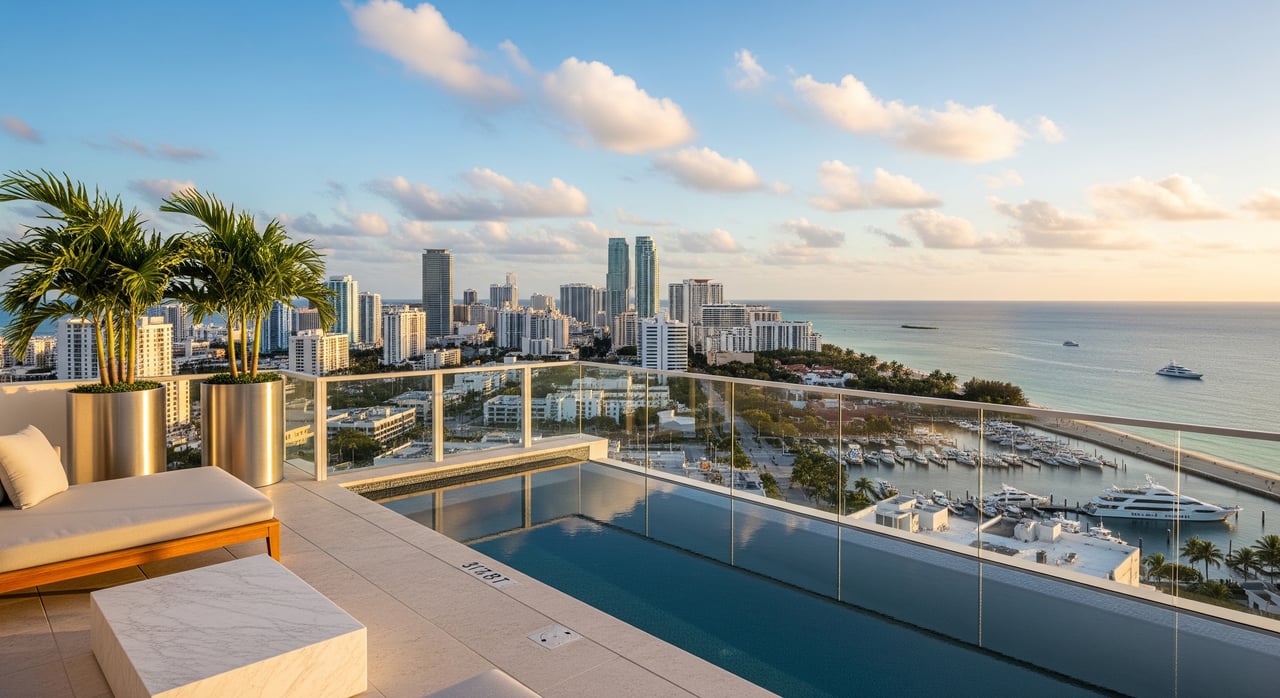
Downtown living is mostly mid to high-rise condominiums and mixed-use buildings along the river and Las Olas. Flagler Village and nearby arts pockets feature newer towers and adaptive reuse spaces that attract creatives and professionals. Ownership typically involves an association, with amenities like doorman service, fitness centers, and covered parking.
Beachfront variety and views
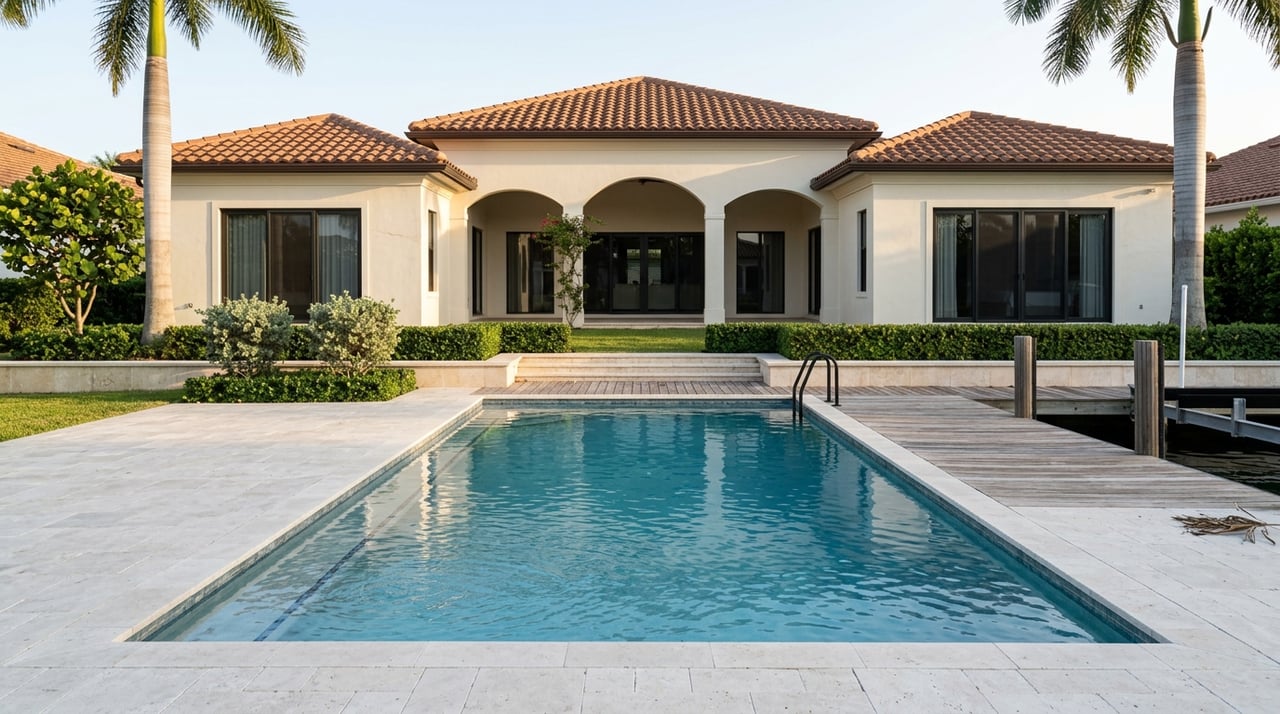
On the barrier island, you will see high-rise oceanfront condos alongside low-rise boutique buildings and single-family homes tucked near the water. Ocean views and direct beach access drive premium pricing per square foot. Lots are generally smaller on the island, and many properties offer community or private dock options on the Intracoastal.
Getting around
Walkability and local errands
If you want to walk to dinner or coffee, the downtown core and Las Olas corridors are your best bet. Beach areas offer clustered walkable pockets around Central Beach and Las Olas Beach, while some stretches are more spread out. The city runs local circulators like the Sun Trolley, and private shuttles serve popular corridors, which helps for short trips.
Transit and commuting
Downtown puts you closer to intercity rail via Brightline, making day trips to Miami or West Palm Beach relatively simple. Broward County Transit buses connect neighborhoods, though frequency varies. Expect seasonal traffic spikes during winter tourism and cruise embarkation days, which can lengthen drive times from both downtown and the beach.
Parking realities
Downtown residents rely on building garages and public garages with metered street parking nearby. Guest parking can be limited for some buildings. On the beach, metered parking and municipal lots serve visitors, and availability tightens during events and peak season.
Dining, nightlife, and culture
Downtown energy and arts
Las Olas Boulevard and the Riverwalk concentrate restaurants, bars, and galleries in a lively, year-round scene. Cultural anchors like the Broward Center for the Performing Arts and nearby museums add to the options. If you like an easy walk to dinner, a show, and a late-night dessert, downtown checks the boxes.
Beachfront leisure
Beach neighborhoods lean into casual, seaside dining and outdoor patios with an easygoing atmosphere. You will still find upscale options along Las Olas toward the river, a short rideshare or bike away. Daytime activities take the lead, with sand, sun, and seasonal events shaping the rhythm.
Boating and water access
River and canal convenience downtown
Many downtown waterfront condos front the New River or Intracoastal and may include or allow marina slips. You gain sheltered water access along canals, plus proximity to water taxis and commercial marinas. It is ideal if you value a blend of boating access and urban amenities.
Intracoastal and ocean proximity at the beach
Barrier-island homes often sit on or near the Intracoastal, with quick access to larger marinas and yacht facilities. For ocean outings, you will transit inlets and consider bridge clearances and vessel draft. Slip availability, fees, and HOA or municipal rules vary, so plan to confirm details early if boating is central to your lifestyle.
Costs, rentals, and insurance
Pricing patterns to expect
Oceanfront condos and Las Olas-adjacent properties generally command a premium for views and immediate beach access. Newer luxury towers downtown can also be top-tier, especially with river or skyline views. Seasonal demand from winter residents influences inventory and pricing, so timing matters.
Short-term rentals and HOA rules
Short-term rental demand peaks in winter, but rules differ by municipality and building. Many associations limit or prohibit short stays, and city rules can change. If rental flexibility matters to you, verify both the local code and HOA policies before you buy.
Flood and insurance considerations
Both downtown and beach areas include low-elevation zones that can experience king tides and storm surge. Flood zone designation affects lending requirements and insurance premiums, and coastal properties typically see higher costs. Review FEMA flood maps, request insurance quotes early, and weigh property elevation and any mitigation features when comparing homes.
Safety, noise, and tourism
Tourism is a year-round factor. Beach areas see higher visitor density, while downtown has nightlife and event activity. Noise levels vary by building construction, orientation, and proximity to venues or the shoreline. For peace of mind, visit at different times of day and consult local police data or crime maps for the latest neighborhood-level insights.
Daily services and schools
Groceries, gyms, and healthcare
Downtown clusters groceries, fitness studios, and services in a compact area, which supports a convenient car-light routine. Along the beach, supermarkets and services exist but can be more spaced out, so many residents drive for errands. Major hospitals and clinics in Broward County are accessible from both areas.
Schools and boundaries
Public schools are administered by Broward County Public Schools, and boundaries vary by address. If schools are part of your search, review the district’s boundary maps and performance data. Keep school research neutral and rely on official sources to guide your decisions.
Which lifestyle fits you
You may prefer downtown if
- You want strong walkability to restaurants, offices, and cultural venues.
- You plan to use intercity rail regularly for Miami or West Palm Beach trips.
- You value condo amenities and a vibrant evening scene.
You may prefer the beach if
- Daily ocean access, sand, and sunrise views are top priorities.
- You want a home with dock access or quick reach to Intracoastal marinas.
- You prefer a relaxed, outdoor daytime rhythm with seasonal events.
If you want more space
Single-family homes exist near the beach but often sit on smaller lots and command higher prices. Larger lots at lower cost are typically found inland. If space is the goal, expand your search to nearby inland neighborhoods while keeping your preferred access points in mind.
Smart buyer checklist
- Define your non-negotiables. Rank walkability, boating access, view, and commute time.
- Confirm building and neighborhood rules. Review HOA documents for leasing policies and dock regulations.
- Assess flood and insurance. Check FEMA flood zones, property elevation, and get early insurance quotes.
- Test your commute. Drive or ride during rush hour and cruise embarkation times.
- Validate parking. Confirm assigned spaces, guest parking, and event restrictions.
- Evaluate noise and crowds. Visit at morning, evening, and weekend peak times.
- Plan for seasonality. Expect tighter inventory and higher rental demand in winter.
- Coordinate financing. If you are financing, align pre-approval and condo review to keep timelines tight.
Ready to compare specific buildings or streets on a tour? With integrated mortgage support and a streamlined process, you can move from shortlist to offer with confidence. Connect with Morris Hall to explore downtown and beach options and craft a plan that fits your lifestyle.
FAQs
What is the main difference between downtown and beach living in Fort Lauderdale?
- Downtown offers a walkable urban core with condos near dining, culture, and transit, while the beach emphasizes ocean access, Intracoastal boating, and a laid-back, outdoor-focused routine.
How does commuting compare from the beach versus downtown?
- Downtown places you closer to intercity rail via Brightline and central roads, while beach commutes can lengthen during peak tourism or events due to bridge and corridor traffic.
Are short-term rentals allowed in Fort Lauderdale condos?
- Rules vary by municipality and HOA, and many buildings restrict short stays; verify local code and association documents before you buy.
What should I know about flood risk and insurance near the water?
- Flood zone designation can trigger lender requirements and higher premiums; review FEMA maps, property elevation, and mitigation features, and obtain quotes early in your search.
Is boating easier from downtown or the beach?
- Both offer excellent access, with downtown favoring sheltered river and canal slips and the beach providing quick Intracoastal and inlet routes; confirm slip availability and bridge clearances for your vessel.